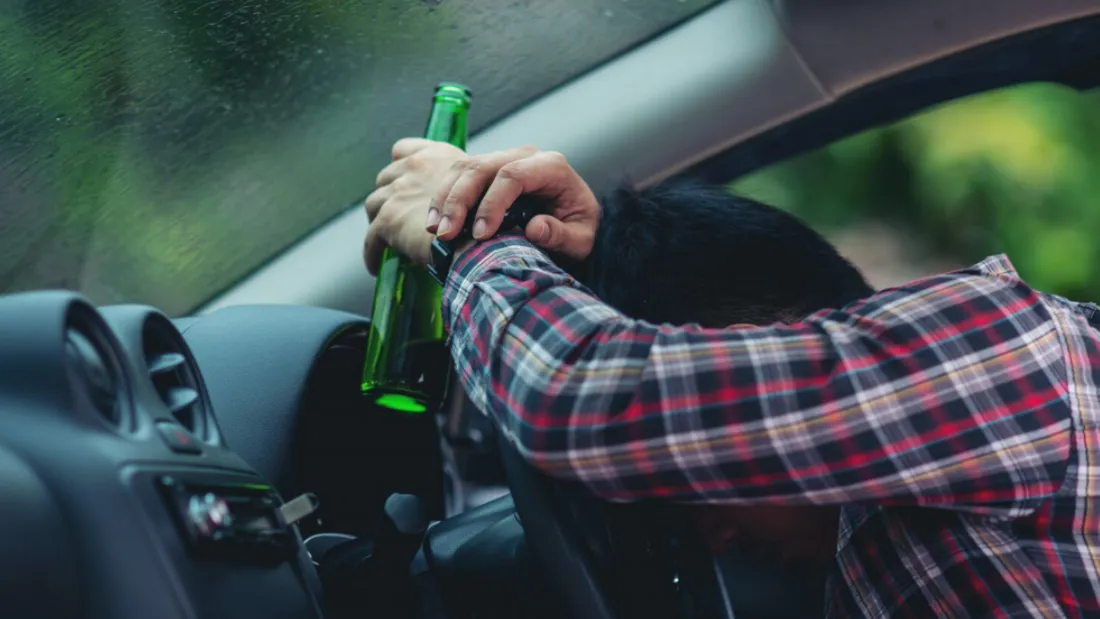
Facing a drink driving charge in Western Australia is a heavy experience. One moment you are leaving a social gathering or a work event, and the next you are pulled over on the side of the Kwinana Freeway watching a police officer check a small handheld device. The sinking feeling in your stomach is usually followed by a blur of paperwork and court dates. It is a stressful period that impacts your ability to work, your social life, and your reputation. This guide serves as a practical roadmap to help you understand the Road Traffic Act 1974 and how it applies to your specific situation.
Understanding BAC Limits in WA
Western Australia operates under strict laws regarding Blood Alcohol Content. For the majority of drivers holding a full licence, the limit is 0.05. If you exceed this, you are technically breaking the law. Many people believe they can judge their own sobriety based on how they feel, but the reality is that alcohol affects everyone differently based on weight, metabolism, and even what you ate for lunch that day. A single extra mid-strength beer can often be the difference between driving home safely and losing your licence.
The 0.05 limit is the threshold where the legal system decides your ability to control a motor vehicle is impaired. If you are caught with a reading between 0.05 and 0.079, you fall into the low-range category. While this is the least severe tier of drink driving, it still carries weight. The police will generally issue an infringement notice on the spot for first-time offenders, which includes a fine and demerit points. However, if you have similar convictions in the past, you will likely find yourself standing before a Magistrate.
Specific groups of drivers are held to a much higher standard. If you are a novice driver, a taxi driver, or someone operating a heavy vehicle, your limit is 0.00. There is no margin for error here. Even a small amount of alcohol from the night before or certain medications can trigger a positive reading. This zero-tolerance policy exists because the risks associated with these roles are significantly higher. A bus driver carrying passengers or a young person still learning the nuances of the road cannot afford even a slight delay in their reaction times.
If a breathalyser test returns a reading of 0.08 or higher, the police have the power to suspend your licence right there on the roadside. This is an administrative suspension that lasts for two months or until your court date. It means you cannot drive your car home from the station. You have to find another way to get to work the next morning. If a roadside stop escalates to the point where you are taken into custody for further testing or processing, it is essential to understand your rights if arrested in Western Australia to navigate the situation correctly.
One of the most jarring aspects of WA traffic law is the immediate disqualification notice. If a breathalyser test returns a reading of 0.08 or higher, the police have the power to suspend your licence right there on the roadside. This is an administrative suspension that lasts for two months or until your court date. It means you cannot drive your car home from the station. You have to find another way to get to work the next morning. This immediate loss of freedom is designed to remove high-risk drivers from the road instantly, though it often creates a logistical nightmare for those who rely on their vehicles for daily life.
Breakdown of Penalties and Licence Loss
The penalties for drink driving in Western Australia are calculated based on your BAC reading and your prior driving history. The court looks at whether this is a first, second, or subsequent offence. As the BAC reading climbs, the fines increase and the period of licence disqualification grows longer. It is important to remember that these disqualifications are mandatory. A Magistrate has very little room to move when it comes to the minimum periods set by legislation.
Low-Range (0.05 to 0.079)
If this is your first time being caught in the low-range bracket, you might receive an infringement rather than a court summons. This involves a fine and the loss of demerit points. However, if the matter goes to court, you face a potential disqualification. For a second offence in this range, the law mandates a minimum disqualification period of at least six months. The legal system views repeat behaviour as a sign that the initial fine did not change your habits.
Mid-Range (0.08 to 0.149)
Once you hit 0.08, the consequences become much more serious. This is the point where a court appearance is guaranteed. For a first offence, you are looking at a licence disqualification ranging from three to six months. You will also be hit with a fine that can reach several hundred dollars plus court costs. A conviction will be recorded on your criminal record, which can have implications for future employment or travel. Many people are surprised to learn that a 0.09 reading, which might feel like a minor slip up, results in months without a car.
High-Range (0.15 and Above)
A reading of 0.15 or higher is classified as Driving Under the Influence. This is the most severe drink driving charge in WA. The law assumes that at this level, you are significantly impaired and pose a danger to everyone on the road. First-time offenders face a minimum licence loss of ten months. If it is your second DUI offence, you could lose your licence for thirty months or more. In extreme cases, or for third offences, the court has the power to impose a permanent disqualification or even a term of imprisonment.
| BAC Range | Charge Type | Typical First Offence Licence Loss |
|---|---|---|
| 0.05 – 0.079 | Excess 0.05 | Fine and points (Infringement) |
| 0.08 – 0.149 | Excess 0.08 | 3 to 6 Months |
| 0.15 + | DUI | 10 Months Minimum |
| Refusal | Refuse Breath Test | 10 Months Minimum |
The Alcohol Interlock Scheme
Western Australia uses the Alcohol Interlock Scheme to manage drivers who have committed high-level or repeat offences. This program is mandatory for anyone convicted of a DUI or those who have multiple drink driving convictions within a certain timeframe. It is a way for the government to ensure you are sober every single time you turn the key in your ignition. It is an expensive and restrictive process, but for many, it is the only path back to legal driving.
The scheme applies to “high-risk” offenders. This includes anyone with a BAC of 0.15 or above, or people who have two drink driving offences within five years. If you fall into this category, you will not simply get your licence back at the end of your disqualification period. Instead, you will be issued a restricted licence that only allows you to drive a vehicle fitted with an approved interlock device. Failing to comply with this requirement means you cannot drive at all.
An alcohol interlock is a breath-testing device connected to your car’s ignition system. Before the engine starts, you must blow into the device. If it detects alcohol, the car will not start. Even after the car is running, the device will prompt you for “rolling re-tests” at random intervals to ensure you have not started drinking while on the move. All the data from these tests is recorded and sent to the Department of Transport. If you fail a test or try to bypass the system, your time in the program may be extended.
The financial burden of the interlock scheme falls entirely on the driver. You have to pay for the installation, the monthly rental of the device, and regular servicing. Over the course of the mandatory period, which is usually at least six months of clean driving, these costs can add up to thousands of dollars. It is a constant reminder of the mistake made. You also have to deal with the social embarrassment of having to blow into a tube before you can drive your friends or colleagues anywhere.
Your Options: Managing the Fallout
Once the initial shock wears off, you need to look at your options. While the penalties are strict, the legal system does provide certain avenues for those who can prove that a licence loss will cause undue hardship. Understanding these options early on can help you prepare for your day in court and potentially minimize the damage to your career and family life.
Applying for an Extraordinary Licence (EDL)
An Extraordinary Licence is often referred to as a work licence. It is a special permit that allows you to drive during specific hours for specific reasons while you are still disqualified. Getting one is not easy. You cannot apply for an EDL to simply make your life more convenient. The court requires proof that losing your licence will result in you losing your job or that it will prevent you from accessing urgent medical treatment for yourself or a family member.
There is also a mandatory waiting period before you can even lodge an application. For a first offence with a mid-range reading, you might have to wait two months. For a DUI, the wait could be four months. During this time, you must not drive under any circumstances. If the Magistrate grants the EDL, it will come with heavy restrictions. You might only be allowed to drive between 7 AM and 5 PM for work purposes, and you will likely have to keep a logbook of every trip you take.
Navigating the Magistrates Court alone is daunting. A lawyer who specialises in traffic law, criminal law and accidents law can provide clarity on the likely outcome of your case. They understand how to present your situation to the Magistrate in a way that highlights your character and the context of the offence. To help ease your anxiety before your scheduled appearance, you can read our guide on what happens at a Magistrates Court hearing in WA so you know exactly what to expect when you walk through the doors. While a lawyer cannot make a mandatory disqualification disappear, they can argue for the minimum possible fine or help you prepare a strong application for an EDL. They can also ensure that any paperwork or evidence is filed correctly and on time.
Character References and Proactive Steps
Before you go to court, it is a good idea to gather character references from employers, community leaders, or long-term friends. These letters should acknowledge that you have told them about the charge and speak to your general reliability and contribution to the community. This helps the Magistrate see you as a person rather than just another case file on their desk.
Taking proactive steps is another way to show the court that you are taking the matter seriously. Enrolling in a voluntary alcohol education course or a traffic offender intervention program shows remorse. It demonstrates that you have reflected on your actions and are committed to ensuring it never happens again. Sometimes, showing this level of accountability can influence the Magistrate’s decision when they are weighing up the severity of the fine or the length of the suspension beyond the mandatory minimum.
Moving Forward and Finding Support
The weeks following a drink driving charge are often filled with regret. You might spend a lot of time thinking about what you could have done differently. It is easy to feel isolated, especially if you live in an area of Perth where public transport is limited and you are now relying on others for rides. However, it is important to remember that this is a hurdle, not a dead end. Many people have been in this position and have successfully managed the process of getting back on the road.
Start by being honest with those who need to know. If your job requires a licence, you should speak to a legal professional before talking to your boss, but eventually, the conversation will need to happen. Honesty is usually better than being caught out later. If you are struggling with the emotional weight of the situation, do not hesitate to reach out to a counselling service. The legal process in WA is slow and can take several months from the date of the offence to the final court hearing. Staying organized and keeping track of all your court dates and paperwork will help reduce the stress.
Once you have served your disqualification and met the requirements of the interlock scheme if necessary, you will have to reapply for your licence. This is often a straightforward process, but it serves as a final reminder of the importance of road safety. Moving forward, the best approach is to have a plan before you take the first sip of a drink. Whether it is booking a rideshare, using the train, or staying over at a mate’s place, the cost of a ride home is always cheaper than the cost of a drink driving conviction. Take the lesson for what it is and focus on rebuildding your life and your driving record. One bad night does not define your entire future, but it does require you to step up and handle the consequences with maturity.